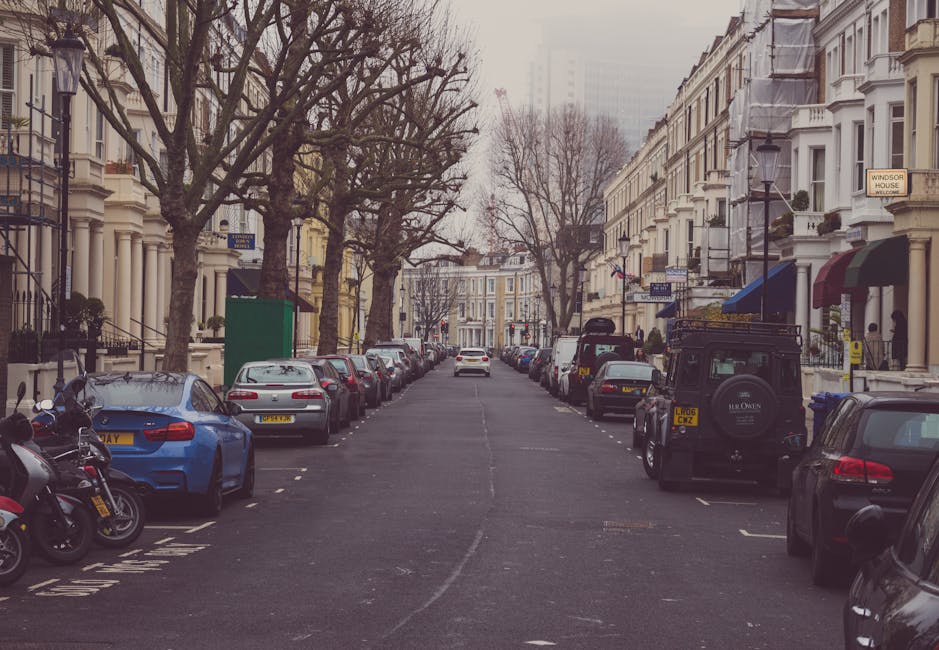
Fortess Road removals best routes and parking tips
Posted on 18/06/2026
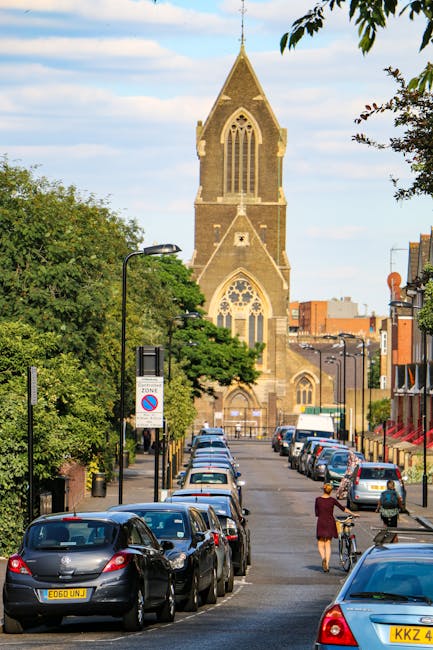
Fortess Road Removals: Best Routes and Parking Tips
If you are planning a move on or near Fortess Road, you already know the main challenge is rarely the boxes. It is the street itself. Tight windows for parking, busy junctions, awkward turns, and the usual London "where can the van actually stop?" dilemma can turn a simple move into a stressful one. This guide to Fortess Road removals best routes and parking tips is designed to help you avoid the usual headaches and make the day feel manageable, not chaotic.
We will walk through the smartest approach to route planning, where delays usually happen, how parking works in practice, and what movers often forget until the last minute. If you are organising a flat move, a house move, or a same-day job, a little preparation on Fortess Road goes a long way.
Why Fortess Road removals best routes and parking tips Matters
Fortess Road sits in one of those parts of London where small inefficiencies become big delays. A van that arrives five minutes late can end up stuck behind traffic. A bad parking choice can mean several extra trips carrying furniture down the street. And if you are moving from a flat, you may already be dealing with stairs, narrow hallways, or a lift that seems to have its own personality. Lovely.
The reason route and parking planning matters so much here is simple: removals are time-sensitive. Every extra minute spent circling for space, reversing awkwardly, or waiting for access adds pressure. That pressure affects the team, your schedule, and often the cost too. For anyone comparing man and van support in Kentish Town with a larger move, route planning can be the difference between a tidy job and a messy one.
There is also a local reality to factor in. Around Fortess Road, traffic tends to shift quickly through the day, and side streets can fill up faster than you expect. School runs, delivery vehicles, commuters, and residents all compete for the same limited road space. So yes, route choice matters. Parking matters even more.
Expert summary: On Fortess Road, the best move is usually not the shortest route on a map, but the route that gives the van space, predictable access, and fewer turning headaches.
How Fortess Road removals best routes and parking tips Works
In practice, good moving-day planning for Fortess Road starts before the van arrives. You need to think in three layers: route in, parking on arrival, and route out once loading is complete. Those three steps sound obvious, but they are where most delays begin.
First, route planning is about choosing roads that a removals van can actually use comfortably. A map may show the "quickest" road, but not every shortcut is sensible for a larger vehicle. Tight bends, parked cars on both sides, speed humps, and aggressive turns can slow everything down. If the van driver knows the local streets, even better. If not, give them a heads-up and share any awkward access points early.
Second, parking is about realism, not hope. You want a space close enough for efficient loading, but also one that does not block traffic or create unnecessary risk. For many Fortess Road moves, the best outcome is a legal stopping point with enough room for safe unloading, rather than trying to squeeze into the perfect spot and making things worse.
Third, exit planning matters because removals do not stop once the van is loaded. If the vehicle is boxed in by another car or parked on the wrong side for the next leg, you can lose time at the end when everyone is tired. That is when people start muttering under their breath. Been there, seen that.
If your move includes bulky furniture, see also furniture removals in Kentish Town for handling larger items more smoothly. It is especially useful when you are moving beds, wardrobes, or sofas through a street with limited stopping space.
Key Benefits and Practical Advantages
Good route and parking planning does more than save time. It makes the whole move feel calmer and more controlled. That is not fluffy talk; it is how removals actually work in real life.
- Less carrying distance: A better parking position means fewer metres between the front door and the van.
- Fewer delays: The driver spends less time circling, reversing, or waiting for a gap.
- Lower risk of damage: Shorter carrying routes reduce the chance of knocking walls, doors, or the item itself.
- Safer handling: The team can move at a steady pace instead of rushing because of parking pressure.
- Better timing: Helpful when you are working around building access, lift bookings, or a handover deadline.
There is also a financial upside. If you are booking a service by the hour, every avoidable delay matters. For a deeper look at how van size and time affect budgets, the guide on real removal costs and van size is worth a read. It helps set expectations without the usual vague promises.
For many local moves, the biggest advantage is simply peace of mind. You know where the van is going. You know where it can stop. And you are not improvising with a wardrobe half-way across the pavement. That alone is worth the effort.
Who This Is For and When It Makes Sense
This approach is useful for almost anyone moving around Fortess Road, but it matters most for certain situations.
- Flat movers: If you live above ground level, parking efficiency matters because every extra trip costs energy.
- Families: More boxes, more furniture, more time pressure. A smooth route prevents the move from dragging on.
- Students: If you are moving out of a shared flat or studio, a compact van and good stopping point can be ideal. See student removals in Kentish Town for more on lighter, faster moves.
- Office teams: For work relocations, punctual access is often tied to building rules and staff schedules.
- Same-day movers: If timing is tight, you need simple routes and no parking guesswork at all. The page on same-day man and van availability explains why speed and clarity matter so much.
It also makes sense if you are moving in peak traffic periods, during school-run hours, or when your building has narrow access. To be fair, that is most days in London, but Fortess Road does seem to collect all the usual complications in one place.
If you are unsure whether a van is the right fit, the overview of man with a van services in Kentish Town can help you decide between a smaller local move and a fuller removals setup.
Step-by-Step Guidance
Here is a practical way to plan your move so the route and parking side of things feels under control.
- Check the property layout first. Note whether the entrance is front-facing, basement-level, or tucked behind a side access path. This affects where the van should stop.
- Identify the likely loading side. Sometimes the easiest parking position is not directly outside the door, but a little further along the road where the kerb space is wider.
- Choose the van size properly. Too small and you will need multiple trips; too large and you may create parking or turning problems. A sensible middle ground is often best.
- Plan the route with vehicle access in mind. Avoid roads that look technically shorter but are awkward for larger vehicles, especially if they are tightly parked or busy at drop-off times.
- Leave a buffer. Even a short move can take longer than expected if the lift is slow, neighbours are moving at the same time, or weather turns poor.
- Prepare the front door area. Clear items that can snag or trip people. It sounds basic, but this is one of those small things that saves a lot of awkwardness.
- Keep the driver updated. If the road is blocked, if a neighbour has a delivery truck outside, or if the best stopping place changes, say so early.
A lot of people skip step four and regret it later. The map route is only one part of the story; the actual parking and loading logic is what determines whether the move feels smooth.
If packing still needs sorting, packing and boxes support can help you reduce last-minute chaos. Honestly, the best route in the world will not save a move if the boxes are half-sealed and the tape has gone walkabout.
Expert Tips for Better Results
There are a few small moves that make a surprisingly big difference on Fortess Road.
Use the quieter side of the day if you can. Early starts can be easier because there is usually more breathing room on the road. Mid-morning is often better than peak commute hours, though every day is a little different. If you are not certain, ask your mover what they see regularly in the area.
Think in terms of loading distance, not just legal parking. A legal bay that is far from the entrance may be less practical than a slightly different stopping point that still allows safe loading. The goal is efficiency and safety together.
Protect the route inside the property as well. A move does not only happen on the road. Hallways, stairs, front steps, and lobby flooring all matter. If those areas are tight, you want the parking as close and as clean as possible.
Keep one person free to manage access. If someone can watch the entrance, direct the van, and handle door control, the whole process tends to run more smoothly. It is a small thing, but it prevents the "who is holding the door?" shuffle.
Don't overcomplicate the route. Sometimes people try to outsmart traffic with too many turns. Simpler is usually better. Fewer turns, fewer surprises.
For heavier or fragile items, such as pianos, the route and parking plan should be even more deliberate. The dedicated piano removals page covers the kind of careful handling that makes sense when the item is valuable, awkward, and not something you want to test on a tight kerb.
And if safety is on your mind, the company's insurance and safety information is useful for understanding what professional care usually looks like in practice.
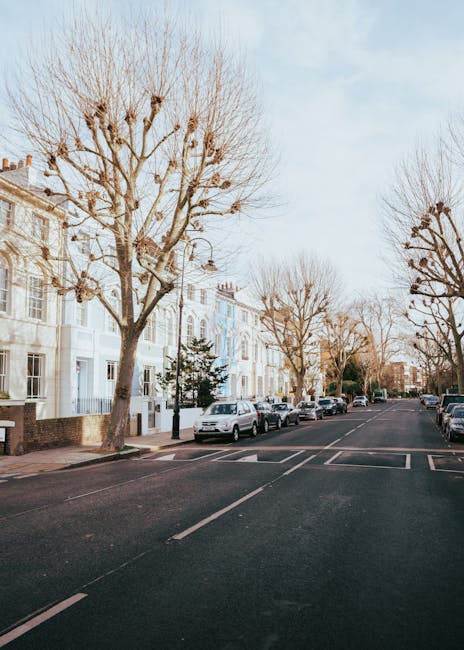
Common Mistakes to Avoid
Let's face it, removals are full of tiny mistakes that feel harmless right up until they cost you time. These are the common ones around Fortess Road.
- Assuming parking will sort itself out. It often does not. A street can look fine and still be awkward once a van arrives.
- Booking a van with no access plan. If the driver has to improvise, the whole move slows down.
- Ignoring road width and parked cars. In narrow streets, one poorly placed vehicle can throw off the loading sequence.
- Not allowing for building rules. Some properties have time windows, loading access expectations, or lift booking requirements.
- Leaving boxes unfinished until moving day. That always makes the parking problem feel worse because the clock is already ticking.
- Choosing the wrong service type. A larger house move, a small flat move, and a same-day rescue job all need slightly different planning.
One of the most avoidable issues is not checking for any permit or loading restrictions in advance. For that, the guide on Camden Council removal permits is a very practical companion read. It helps you understand why a parking space is not always enough on its own.
If you want a broader sense of how local movers handle awkward access, the article on NW5 removals for narrow streets and flats is highly relevant too. Narrow roads change everything. Just everything.
Tools, Resources and Recommendations
You do not need a complicated toolkit to plan a good move, but a few practical resources make life easier.
- Simple street notes: Write down access issues, door codes, and any loading quirks. Keep them visible, not buried in your phone.
- Photos of the frontage: A quick photo of the parking side and entrance can help the driver judge what is realistic.
- Room-by-room packing list: Helps you match the van space to the actual volume of items.
- Timing checklist: Useful for lift bookings, key handovers, and any move-out deadline.
- Service comparison: If you are weighing local options, the broader services overview can help you see what is available without guessing.
If you are comparing providers, the information on pricing and quotes is a smart place to start, especially if you want to understand how route difficulty and parking access can influence the job. It is better to ask the awkward questions early. Much better.
For people who may need storage during a staggered move, storage in Kentish Town can be a practical bridge between properties. That is especially helpful if your new place is not ready on the same day.
If your move is specialised, the relevant service page matters. For example, flat removals suit stair-heavy moves, while house removals are better for larger family relocations. Matching the service to the building is half the battle.
Law, Compliance, Standards, and Best Practice
With removals, the legal and practical side usually comes down to common sense, local restrictions, and safe working practices. On Fortess Road, that means respecting road use, loading areas, access rules, and anything that could create a hazard for pedestrians or traffic.
It is wise not to assume that stopping briefly is always acceptable just because the move feels urgent. In London, parking and loading expectations can vary depending on the street, bay, time of day, and local restrictions. If a permit or loading arrangement is needed, it should be checked in advance rather than left to chance. That is the sort of detail that can prevent a fine, a delay, or a last-minute re-route.
Safety is another important part of best practice. Professional movers should plan for manual handling risks, protect fragile items, and avoid unsafe lifting from poor parking positions. A good mover will not try to carry a heavy sofa from an unsafe angle just to save ten seconds. That is not professionalism; that is wishful thinking.
For customers, best practice is straightforward:
- Give accurate property and access details.
- Confirm whether parking space is available or needs to be arranged.
- Be honest about stairs, lift access, and bulky items.
- Keep pathways clear on the day.
- Ask about safety, insurance, and responsibility before the move starts.
If trust and transparency matter to you, it also helps to review the company's general policies. The pages on terms and conditions, payment and security, and complaints procedure can give you a clearer sense of what a proper service relationship should look like.
Options, Methods, and Comparison Table
Different moves need different approaches. On Fortess Road, the right choice usually depends on how much you are moving, how tight the access is, and how much time you have.
| Method | Best for | Strengths | Watch-outs |
|---|---|---|---|
| Small van or man and van | Studios, one-bedroom flats, lighter loads | Easier to park, more flexible in tight streets, usually faster to position | May require more trips if the load is larger than expected |
| Standard removal van | Typical flat or small house moves | Good balance between capacity and manoeuvrability | Needs more careful parking planning than a smaller vehicle |
| Full removals service | Larger homes, more furniture, multi-room moves | More support, better for complex logistics | Requires strong access planning and clearer timing |
| Same-day service | Urgent moves, short notice changes | Fast response, useful when plans change suddenly | Parking and route choices may be more limited by availability |
For some readers, the right answer is obvious once they look at the load honestly. For others, it helps to compare a couple of options. The article on common problems with removal companies is useful here because the wrong service choice often shows up later as hidden friction, not at the booking stage.
If you are choosing between a local mover and a broader removals provider, the page on removals in Kentish Town gives a helpful overview of what a complete moving service can involve.
Case Study or Real-World Example
Here is a simple, realistic example. A customer moving from a first-floor flat on Fortess Road had a compact but awkward load: bed frame, mattress, two wardrobes, a small sofa, and a dozen boxes. The obvious mistake would have been to book the largest van available and park wherever there happened to be space. That would have made loading slower, not easier.
Instead, the move was planned around a slightly quieter arrival window and a parking point that kept the carry distance short without blocking the flow of traffic. The driver was briefed on the entrance layout in advance, the boxes were ready, and the heavier items were loaded first. Nothing dramatic. Just a sensible sequence.
The result was a calmer move, fewer repeated trips through the hallway, and less chance of damage to the furniture or the property. The key lesson? Good parking is not about perfection. It is about reducing friction. If you can remove one or two small friction points, the whole day feels easier.
That same logic applies whether you are moving out of a rental, shifting family furniture, or arranging a business relocation. If you need a broader service view, office removals may be relevant for commercial moves, while removal van options can help match the vehicle to the street.
Practical Checklist
Use this checklist the day before and again on the morning of your move.
- Confirm the full address and flat number, if relevant.
- Check the best place for van stopping and unloading.
- Share any road restrictions, building rules, or access codes.
- Make sure boxes are sealed and labelled.
- Set aside fragile, valuable, or awkward items separately.
- Keep hallways, doorways, and stairs clear.
- Prepare payment details and booking confirmation.
- Have keys, paperwork, and essentials in one easy-to-grab bag.
- Ask the driver what time they expect to arrive and where they will approach from.
- Stay reachable in case the parking situation changes.
If you are moving on a tight schedule, it may also be worth checking whether a Kentish Town station man with van setup makes sense for quick access and efficient turnarounds. That can save a surprising amount of time on busy days.
And if the move is part of a longer transition, maybe while waiting for keys or finishing refurbishment work, a quick look at recycling and sustainability can help you decide what should be reused, donated, or responsibly discarded. A move is a rare chance to clear out the clutter. Might as well use it.
Conclusion
Fortess Road removals are much easier when you treat route planning and parking as part of the move itself, not an afterthought. The right street approach, the right van size, and a realistic unloading plan can save time, reduce lifting, and keep everyone calmer. That is the real value behind Fortess Road removals best routes and parking tips: fewer surprises and a smoother day.
Whether you are moving a flat, a house, or a single room of furniture, the same principle applies. Keep the route simple, the parking practical, and the communication clear. It sounds almost too basic, but in London, basic done well is often the difference between stress and a proper, workable move.
Get a free quote today and see how much you can save.
If you are still at the planning stage, take one more minute to check access, confirm parking, and make sure your mover knows the street conditions. Small details. Big difference. And once the last box is inside, you will be glad you handled them early.